



How to Prepare Your Home for Winter Before the Holidays
Prepare your home for winter, make room for the holidays, and create a comfortable, organized space you can enjoy throughout the season.

There is a moment every fall when our attention begins shifting indoors.
The mornings feel cooler, the days grow shorter, and suddenly we’re thinking about cozy evenings, holiday gatherings, and bringing out the decorations we’ve had tucked away since last year.
But before we start adding seasonal touches, there’s usually a little work to be done.
The entryway needs room for winter coats and boots. Kitchen counters could use some breathing room. There are a few maintenance tasks we’ve been meaning to address, and perhaps a closet or two that could benefit from a fresh start.
It’s tempting to jump straight into decorating. After all, that’s the enjoyable part.
But a home can feel so much more inviting when we prepare the spaces first.
And preparing for winter doesn’t have to mean spending every weekend working through a never-ending list of chores.
It’s about taking care of what matters, creating simple systems that make everyday life easier, and making room for the moments you want to enjoy.
This season, let’s prepare our homes for more than winter weather. Let’s prepare them for living well.
Whether you’re expecting a house full of holiday guests or looking forward to quieter evenings at home, these six thoughtful steps will help you create a comfortable, organized, and welcoming home for the season ahead.
Why Preparing Your Home Before Winter Matters
A Little Preparation Makes the Entire Season Feel Easier
When we think about preparing for winter, our minds often go directly to home maintenance.
There are gutters to clean, outdoor faucets to protect, heating systems to check, and windows that may need attention.
Those responsibilities are important. Taking care of them before winter weather arrives can help prevent avoidable problems and make the home more comfortable.
But preparing for winter should also consider how we actually live in our homes.
During colder months, we naturally spend more time indoors. Entryways collect heavier coats and boots. Kitchens become gathering places. Living rooms are used for quiet evenings, family activities, and holiday entertaining.
And as seasonal decorations come out of storage, even an otherwise organized home can begin to feel crowded.
That’s why I believe winter preparation works best when we approach it from three perspectives.
Protect what matters. Take care of essential household maintenance and safety responsibilities before they become urgent.
Make everyday life easier. Create functional spaces, clear unnecessary clutter, and establish systems that support your household’s winter routines.
Create a home you enjoy. Introduce comfort, warmth, and thoughtful seasonal details that make spending time at home feel special.
These ideas work together.
A beautifully styled entryway isn’t very practical if there’s nowhere to put winter coats. A cozy living room doesn’t feel especially relaxing when every surface is crowded. And preparing for guests becomes more enjoyable when the everyday spaces are already working well.
The goal isn’t a perfectly maintained, perfectly organized, or perfectly decorated house.
It’s a home that feels cared for, comfortable, and ready for the season ahead.
Six Ways to Prepare Your Home for Winter Before the Holidays
1. Take Care of Essential Winter Home Maintenance
Before bringing out the holiday decorations, take a little time to address the practical responsibilities that help protect your home during colder weather.
This doesn’t need to become an extensive maintenance project.
In fact, if you already follow a seasonal home care routine, many of these tasks may be familiar.
The key is knowing which responsibilities deserve attention before freezing temperatures arrive.
Start With a Walk Around the Exterior
Begin outside.
Look for visible debris in gutters, damaged downspouts, drainage problems, and areas where water collects near your foundation.
Gutters and downspouts help move water away from your home. When drainage becomes blocked, overflowing water can contribute to moisture problems and freezing conditions.
Inspect from the ground wherever possible. If cleaning or repairs require working at heights, consider hiring a qualified professional.
Check outdoor walkways, steps, and railings for loose or damaged areas.
As daylight hours shorten, make sure exterior lighting is functioning properly, especially near entrances and frequently used pathways.
Protect Outdoor Plumbing
Disconnect and drain garden hoses before freezing weather.
Depending on your home’s plumbing configuration and climate, outdoor faucets may require additional winter preparation.
If you have an irrigation system, follow the manufacturer’s recommendations or arrange for professional winterization when appropriate.
These tasks are much easier to manage before temperatures drop.
Review Your Heating System and Drafts
Check your heating system’s recommended maintenance schedule.
Replace or clean filters as directed by the manufacturer, and schedule professional service if it is due.
Make sure heating vents and returns aren’t blocked by furniture or stored belongings.
Take a few minutes to examine exterior doors and windows for worn weatherstripping or noticeable drafts.
Simple repairs may improve comfort, while larger insulation or air-sealing concerns may require professional guidance. Air-sealing improvements should also account for appropriate ventilation and the safe operation of fuel-burning equipment.
Don’t Overlook Winter Safety
Test your smoke and carbon monoxide alarms according to the manufacturer’s instructions.
Carbon monoxide alarms should be installed on every level of the home and outside sleeping areas, following applicable requirements and manufacturer guidance.
If you use a fireplace or fuel-burning heating equipment, make sure appropriate inspections and maintenance have been completed.
Keep exterior exhaust and intake vents free of snow and other obstructions.
Portable generators should only be operated outdoors, away from doors, windows, and vents. Never use one inside the house, basement, or attached garage.
Review your household’s emergency supplies and make sure flashlights, batteries, and other essentials are accessible.
A few minutes spent reviewing these essentials can help your household feel better prepared for winter weather.
The Before-the-First-Freeze Check
When you’re unsure where to begin, prioritize tasks in this order:
- Safety and potential damage: Address anything that could create a hazard or lead to costly damage.
- Weather-sensitive outdoor work: Complete tasks that become difficult once temperatures drop.
- Heating and comfort: Review equipment, drafts, and other conditions that affect indoor comfort.
- Less urgent improvements: Leave cosmetic and nonessential projects for a more convenient time.
This approach helps you focus on what matters most without treating every household task as equally urgent.
A Simpler Way to Manage Seasonal Maintenance
If you’d prefer to keep your winter maintenance tasks organized in one place, the All Things Raad Winter Home Care Planner offers seasonal checklists and planning pages to help you stay on top of the details.
It’s available for $9 and designed to make routine home care feel a little more manageable.
For a more detailed breakdown of seasonal maintenance, you can also explore The Complete Home Maintenance Checklist here on All Things Raad.
For now, let’s move beyond maintenance and focus on preparing the spaces where everyday life happens.

2. Declutter Before Bringing Out Seasonal Decorations
One of the easiest ways to make your home feel more welcoming before the holidays is to create a little breathing room.
Not necessarily more square footage.
Just less visual clutter.
It’s tempting to bring out seasonal decorations and immediately begin styling every available surface.
But when holiday decor is added to rooms that already feel full, the result can be more overwhelming than inviting.
Before introducing something new, take a little time to edit what is already there.
Start With the Surfaces You See Every Day
Look around your living room, kitchen, entryway, and dining room.
Which surfaces tend to collect things?
Perhaps it’s the kitchen island, the coffee table, an entryway console, or the dining room sideboard.
Remove items that don’t belong and reconsider how many decorative accessories need to remain.
For example, if your coffee table normally holds several books, a tray, a vase, and multiple decorative objects, consider putting a few pieces away before adding a winter arrangement.
You aren’t eliminating personality from the room.
You’re giving the things you choose to display more room to be appreciated.
Edit Your Everyday Accessories
Some accessories naturally feel more appropriate during warmer months.
Lightweight throws, summer-inspired arrangements, and certain decorative accents can be stored until spring.
This creates space for winter textures and seasonal details without increasing the overall amount of decor.
You might replace a lightweight throw with a heavier woven blanket or exchange a bright arrangement for something more understated.
Small changes can shift the feeling of a room without requiring additional furniture or major purchases.
Sort Holiday Decorations Before Displaying Them
As you unpack seasonal decorations, take a moment to review what you own.
Ask yourself:
- Do I still enjoy displaying this?
- Does it complement the way I decorate today?
- Is it in good condition?
- Does it have sentimental meaning?
- Am I keeping it because I love it or because I’ve always had it?
Not every decoration needs to be displayed every year.
Some meaningful pieces may be worth keeping even if they don’t fit this season’s decorating plan. Others may be ready to donate or pass along.
The goal isn’t to eliminate everything.
It’s to make room for what you genuinely enjoy.
Give Seasonal Decor a Designated Storage Space
As you decorate, think ahead to where items will go when the season ends.
Keep similar decorations together, label containers clearly, and protect fragile pieces.
I also recommend separating winter decor from holiday-specific decorations.
A neutral throw, winter arrangement, or set of textured pillow covers may remain in place long after the holidays are over.
Ornaments, holiday-themed accessories, and other festive pieces can be packed away separately.
This makes transitioning into January much easier.
Remember: Decluttering decides what stays. Organizing decides where it belongs.
For more ideas, explore 15-Minute Decluttering Wins and Hidden Places That Make Your Home Feel Cluttered on All Things Raad.

3. Reset the Spaces You Use Every Day
Once you’ve cleared what you no longer need, the next step is creating systems that make your home easier to live in.
A room can be beautifully decorated and still feel frustrating if the everyday essentials don’t have a practical place.
Winter introduces different routines, clothing, and household needs.
A few small adjustments can make those changes much easier to manage.
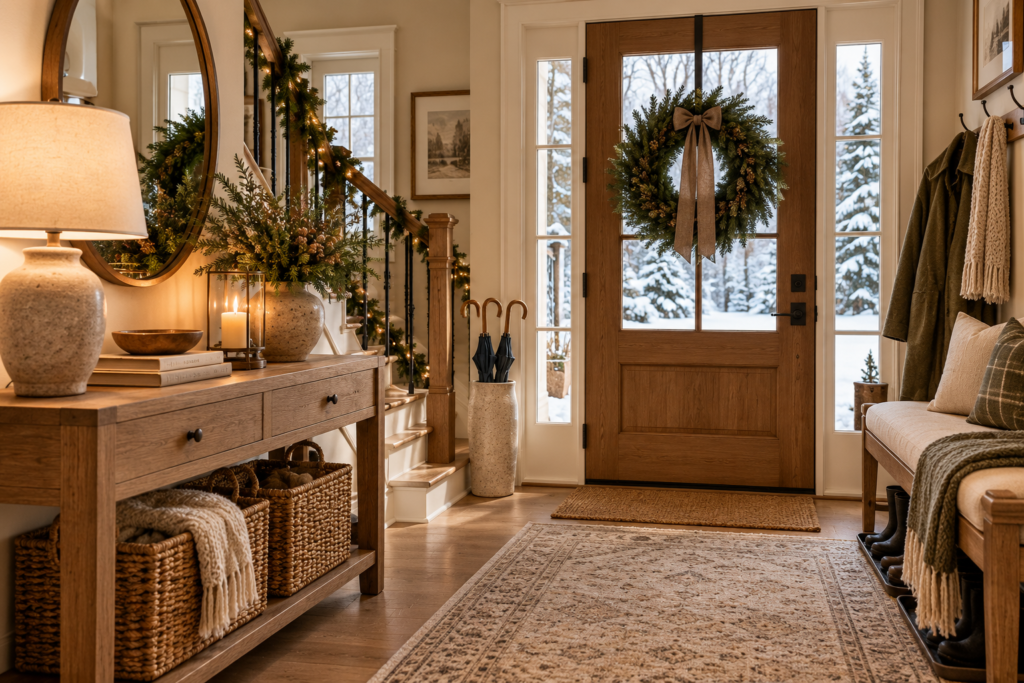
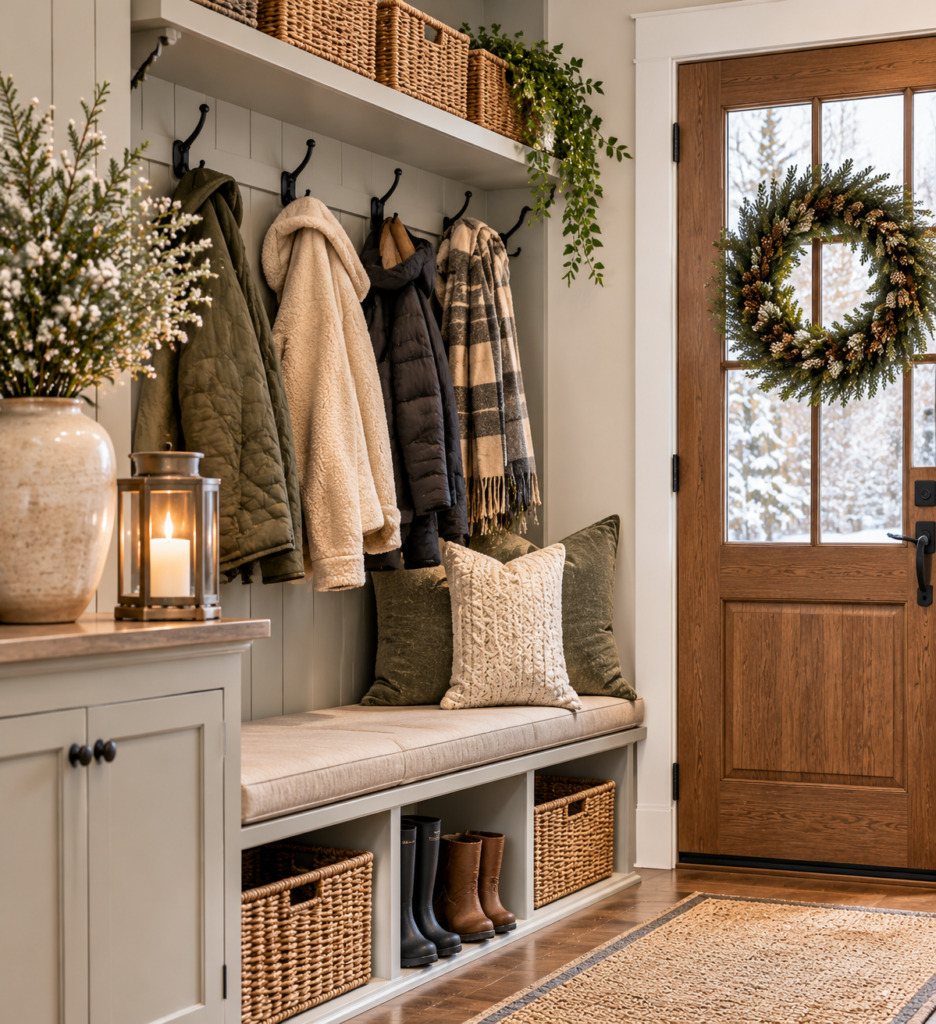
Create a Winter-Ready Entryway
During warmer months, your entryway may only need space for a handbag, keys, and a few pairs of shoes.
Winter is different.
Suddenly there are coats, boots, scarves, gloves, hats, umbrellas, and bags coming through the door.
Without a system, those items quickly spread into nearby rooms.
Start by identifying what your household actually needs.
Hooks can provide easy access to frequently worn coats. Baskets can hold gloves and hats. A boot tray or washable mat can help contain moisture and dirt.
If you have a bench or cabinet, make sure it serves a purpose rather than becoming another place where things accumulate.
And if your home doesn’t have a dedicated mudroom, don’t worry.
A few hooks, a small basket, and a designated spot for shoes may be all you need.
The best organizational system is the one your household will actually use.
Refresh the Kitchen Before Holiday Cooking Begins
The kitchen often becomes one of the busiest rooms during the holiday season.
There may be more baking, cooking, entertaining, and grocery shopping than usual.
Before the calendar fills up, take a little time to reset the areas you use most.
Clear unnecessary items from countertops.
Review pantry staples and check refrigerator and freezer space.
Organize frequently used cooking tools, baking supplies, and serving pieces.
Pay attention to cabinets or drawers that have become overcrowded.
You don’t need to reorganize the entire kitchen.
Sometimes clearing one drawer or one section of the pantry is enough to make daily routines easier.
If your kitchen has a landing zone where mail, keys, receipts, and miscellaneous items collect, establish a simple system for sorting those things before they spread across the countertops
.
Give Bathrooms a Practical Refresh
Bathrooms deserve attention before the holiday season, especially if you’re expecting visitors.
Organize everyday toiletries, discard expired products, and make sure frequently used supplies are accessible.
Replace worn towels when needed and check that guest bathrooms have clean hand towels, soap, toilet paper, and a wastebasket.
Winter is also a good time to pay attention to bathroom moisture and ventilation.
Use exhaust fans that vent outdoors, particularly during and after showers.
If you regularly notice condensation collecting on windows or other surfaces, investigate the cause rather than simply wiping it away.
Persistent moisture can contribute to mold growth and damage to household materials. Address leaks and ventilation problems
promptly.
Make Laundry and Cleaning Supplies Easier to Manage
Winter often brings heavier clothing, extra blankets, wet towels, and more dirt tracked indoors.
Review your laundry area and cleaning supplies before the season becomes busy.
Keep frequently used items accessible and remove empty or unnecessary containers.
Consider creating a small cleaning kit for quick everyday messes.
A few microfiber cloths, an appropriate all-purpose cleaner, and other commonly used supplies can make routine cleanup easier.
You might also designate a place for damp outerwear or wet shoes so they aren’t left throughout the house.
The goal isn’t to create an elaborate organizational system.
It’s to remove the small frustrations that make everyday tasks feel more complicated than they need to be.
The takeaway: Organize your home around the way you actually live during winter, not the way it functions during summer.
4. Create a Warm and Welcoming Winter Atmosphere
Once the practical preparations are underway, it’s time to focus on one of the most enjoyable parts of seasonal living: making your home feel warm and inviting.
And this doesn’t require buying an entirely new collection of winter decorations.
Often, the most beautiful changes are subtle.
A different texture, softer lighting, or a thoughtfully arranged corner can completely change the atmosphere of a room.
The key is creating winter comfort that lasts beyond the holidays.
Layer Textures in the Living Room
Winter is a wonderful time to introduce materials that make a room feel softer and more inviting.
Think woven throws, textured pillow covers, comfortable upholstery, and natural materials.
You don’t need to change every textile in the room.
Start with the places where you spend the most time.
For example, if your living room has a neutral sofa, you might replace two lightweight pillow covers with textured fabrics in warm taupe or chocolate brown.
Add a substantial throw over the arm of a chair and introduce a softly glowing table lamp.
Keep your existing furniture and overall color palette.
The room will feel refreshed without looking completely different.
Cream, warm gray, taupe, chocolate brown, muted sage, and natural wood tones can create a timeless winter atmosphere.
Refresh Your Bedroom for Colder Nights
Bedrooms are another wonderful place to introduce seasonal comfort.
Layer a quilt or coverlet over your everyday bedding.
Add an extra blanket at the foot of the bed and consider warmer textures for decorative pillows.
Soft bedside lighting can make the room feel more relaxing in the evening.
You don’t need to create a completely new bedroom design.
A few carefully chosen layers can make the space feel comfortable and inviting throughout winter.
Use Lighting to Create a Softer Atmosphere
Lighting plays an important role in how a home feels, especially as daylight hours become shorter.
Rather than relying entirely on overhead lighting, consider combining table lamps, floor lamps, and appropriate accent lighting.
Warm, layered lighting can make a living room feel more inviting in the evening and create comfortable spaces for reading, relaxing, or gathering.
Look at the areas where you naturally spend time after dark.
Would a lamp beside your favorite chair make the space more useful?
Could a dimmer help you adjust the lighting throughout the evening?
Does a console table need a softer source of light?
Sometimes one thoughtfully placed lamp can make a noticeable difference.
Create One Cozy Corner
You don’t have to redecorate an entire room to make your home feel more comfortable.
Choose one small area and give it a little attention.
Maybe it’s a reading chair beside a window, a corner of the living room, or a bedroom sitting area.
Add a comfortable throw, a small table for a book or cup of tea, and lighting that makes the space inviting.
The idea is to create a place that encourages you to enjoy being home.
Bring Warmth to the Dining Room
The dining room can also benefit from subtle seasonal changes, even before holiday decorations come out.
Consider a neutral table runner, a low arrangement in a ceramic vessel, or a restrained combination of natural materials and warm metallic accents.
Keep the table functional and avoid filling every available space.
A simple arrangement can feel just as intentional as an elaborate centerpiece.
The most inviting rooms often feel collected rather than decorated all at once.
The takeaway: Creating a cozy home is less about adding more things and more about choosing details that make everyday spaces feel comfortable.

5. Prepare Your Home for Holiday Gatherings
Whether you’re hosting a large holiday dinner, welcoming overnight guests, or simply expecting friends to stop by, a little advance preparation can make entertaining feel much more relaxed.
The goal isn’t to create a picture-perfect home.
It’s to make the spaces people will use feel comfortable, functional, and welcoming.
Think About the Guest Experience
Imagine walking into your home as a visitor.
Is there a convenient place to hang a coat?
Somewhere to put a handbag?
Is the guest bathroom easy to find and stocked with essentials?
These practical details often make a greater difference than elaborate decorations.
If you’re hosting overnight guests, prepare the bedroom ahead of time.
Fresh bedding, extra blankets, accessible outlets, a bedside lamp, and a place for personal belongings can help guests feel comfortable.
You don’t need a dedicated guest suite to offer thoughtful hospitality.
Even a simple, clean, well-prepared sleeping space can feel welcoming.
Organize Entertaining Essentials
Before holiday gatherings begin, take inventory of the items you use for entertaining.
Check serving platters, utensils, table linens, glassware, and other essentials.
Make sure everything is clean, accessible, and ready to use.
If you have items stored in difficult-to-reach cabinets or seasonal containers, bring them out before the day of the gathering.
This is also a good opportunity to identify anything that’s damaged, missing, or no longer useful.
Prepare the Kitchen for the Way You’ll Use It
Holiday cooking can quickly take over a kitchen.
Think about how you want the space to function.
Where will food preparation happen?
Where can finished dishes be placed?
Is there enough counter space for serving?
You may find that temporarily removing a few decorative accessories creates more useful workspace.
If you’re hosting, consider organizing serving pieces and frequently used ingredients in advance.
Simple preparation can make cooking and entertaining feel much more manageable.
Create a Beautiful but Functional Dining Space
A welcoming table doesn’t need to be elaborate.
Start with a clean surface, comfortable seating, and a few thoughtfully chosen details.
A neutral runner, linen napkins, or understated seasonal accents can create an inviting atmosphere.
Keep centerpieces low enough that guests can see one another comfortably.
Avoid overcrowding the table with decorations.
Remember that people need room for plates, glasses, serving dishes, and conversation.
The best table settings are both beautiful and practical.
The 48-Hour Guest-Ready Approach
If you’re expecting guests and don’t have much time, focus on the areas that will make the biggest difference.
Two days before
Refresh the guest bathroom, check household supplies, prepare linens, and review kitchen essentials.
If you’re hosting overnight guests, make sure their sleeping area is clean and comfortable.
The day before
Clear the main gathering spaces, organize serving pieces, prepare what you can in advance, and make sure the entryway has room for guests’ belongings.
The day of
Focus on the final details.
Straighten surfaces, adjust lighting, refresh hand towels, and make sure the spaces guests will use feel welcoming.
Then give yourself permission to stop preparing.
You don’t need to keep finding additional things to do.
Make Room for Connection
Sometimes holiday preparation becomes so focused on the details that we forget the reason we’re gathering.
A welcoming home isn’t defined by matching dishes, perfectly folded napkins, or decorations in every room.
It’s the feeling people experience when they walk through the door.
Comfortable seating, warm lighting, an organized kitchen, and a relaxed atmosphere can do far more than an elaborate decorating plan.
The takeaway: Prepare the practical details ahead of time so you can spend less time managing your home and more time enjoying the people in it.

6. Decorate Intentionally and Establish Simple Seasonal Routines
Once your home is maintained, decluttered, organized, and comfortable, seasonal decorating becomes much more enjoyable.
Instead of working around clutter or rearranging everything at the last minute, you have a thoughtful foundation to build upon.
This is where preparation and everyday living come together.
Decorate in Layers
You don’t have to complete all your holiday decorating in one day.
Start with the larger elements that establish the mood of a room.
That might mean a wreath, a mantel arrangement, a seasonal centerpiece, or a few decorative accents.
Then step back and see how the space feels.
Add smaller details only where they genuinely improve the room.
Leaving some surfaces undecorated can be just as important as styling the others.
Negative space gives the eye a place to rest and helps meaningful decorations stand out.
Let Your Home’s Existing Style Lead
One of the easiest ways to create cohesive seasonal decor is to work with the colors, materials, and furnishings you already have.
If your home features warm neutrals and natural wood, consider seasonal accents that complement those elements.
If you prefer a more traditional look, familiar holiday colors and heirloom decorations may feel right at home.
There is no single correct approach.
The most beautiful seasonal spaces reflect the people who live in them.
Choose a Few Areas to Highlight
Not every room needs an elaborate seasonal display.
Instead, choose a few spaces where decorations will have the most impact.
An entryway arrangement can create a welcoming first impression.
A simple mantel display can become a focal point in the living room.
A thoughtfully styled dining table can make everyday meals feel special.
By concentrating on a few meaningful areas, you can create a cohesive seasonal atmosphere without overwhelming the home.
Keep Everyday Function and Safety in Mind
As you decorate, pay attention to how each room needs to function.
Avoid blocking frequently used cabinets, walkways, doors, or important work surfaces.
Inspect holiday light strands before using them, discard damaged cords, and follow the manufacturer’s instructions for connecting multiple strands.
Keep decorations away from heating equipment and open flames.
If you enjoy candlelight, consider battery-operated flameless candles for a similar warm glow.
If you use traditional candles, keep them at least 12 inches away from anything that can burn, place them in stable holders, and extinguish them whenever you leave the room.
In the kitchen, leave enough workspace for daily meal preparation.
In the living room, make sure people can move comfortably and use the seating areas.
Beautiful seasonal decorating should make your home feel more welcoming without creating unnecessary hazards or making ordinary routines more difficult.
Create a Simple Weekly Winter Reset
Even the most organized home needs occasional attention.
Rather than waiting until things feel overwhelming, establish a short weekly reset.
Choose a time that works for your household and focus on the areas that tend to collect the most clutter.
Return coats and shoes to their designated places.
Clear kitchen counters.
Put away misplaced items.
Refresh the entryway.
Straighten living room accessories.
You might also take a few minutes to review upcoming gatherings, household needs, or seasonal tasks.
The reset doesn’t need to be elaborate.
Consistency is what makes it useful.
Think Ahead to the End of the Season
As you decorate, consider how you’ll transition your home after the holidays.
Keep storage containers organized and identify which winter accessories can remain after holiday decorations are packed away.
Avoid creating a complicated system you’ll dread using later.
When the holidays end, your home should be able to transition into the quieter winter months without requiring another complete overhaul.
The takeaway: Thoughtful decorating and simple routines help your home remain comfortable and welcoming throughout the entire season—not just on the day you finish decorating.


✨ Gretchen’s Tip
Prepare the Space Before You Decorate It
Before bringing out seasonal decorations, take a few minutes to look at the room as it is.
What do you want the space to feel like?
And what might be getting in the way?
Sometimes the most effective change isn’t adding another accessory.
It’s clearing a surface, putting away a few everyday pieces, or rearranging something you already own.
A little editing gives seasonal decorations room to stand out and helps the entire space feel more intentional.

Try This Today
The 20-Minute Winter-Ready Reset
You don’t need an entire weekend to begin preparing your home for winter.
Start with one space.
Choose your entryway, kitchen island, coffee table, or another area you use every day.
Minutes 1–5: Clear the space.
Remove anything that doesn’t belong. Put away mail, shoes, bags, accessories, or miscellaneous items.
Minutes 6–10: Clean and refresh.
Wipe the surface, straighten nearby items, and take care of any small cleaning tasks.
Minutes 11–15: Put essentials back intentionally.
Return only the items that genuinely need to remain in the space. Give frequently used belongings a practical home.
Minutes 16–20: Add one thoughtful seasonal detail.
That might be a textured throw, a small arrangement, a warm lamp, or a decorative piece you already own.
Then stop.
You don’t need to move on to another room.
Notice how the space feels and enjoy the progress you’ve made.
Small, completed projects create momentum—and often make the next step feel easier.
The Winter-Ready Home Blueprint
Six Simple Ways to Prepare for Winter and the Holidays

01 — PROTECT
Take care of essential winter maintenance, heating, plumbing, and household safety.
02 — CLEAR
Declutter everyday surfaces and make room before seasonal decorating begins.
03 — RESET
Organize entryways, kitchens, bathrooms, and the spaces used most often.
04 — COZY
Layer comfortable textiles, warm lighting, and thoughtful winter accents.
05 — WELCOME
Prepare guest spaces, entertaining essentials, and gathering areas.
06 — ENJOY
Decorate intentionally and maintain simple routines throughout the season.
Simple systems. A calm home. A beautiful life.
The blueprint isn’t another checklist to complete perfectly.
It’s a reminder that preparing your home for winter can happen in manageable stages.
Start with what matters most, work through the spaces that need attention, and allow yourself to enjoy the process.


☕ From Gretchen :
I’ve always believed that the spaces we live in should support the life we want to create.
And that belief becomes especially meaningful during the colder months, when we spend more time at home and our everyday surroundings become such an important part of our routines.
It’s easy to get caught up in everything we think we should be doing before the holidays.
There are projects to finish, decorations to put up, rooms to clean, and countless little details competing for our attention.
But a beautiful home isn’t necessarily one where every project is complete or every room is perfectly styled.
Sometimes it’s simply a home where things have a place, the spaces feel comfortable, and everyday routines work a little more smoothly.
I love the idea of preparing for winter with that perspective.
Take care of the important things.
Make room for what you enjoy.
Create comfortable spaces for the people who live there and the people you welcome inside.
And remember that you don’t have to do everything at once.
The goal isn’t to spend the entire season preparing your home. It’s to prepare your home so you can enjoy the season.
Gretchen ❤️
The All Things Raad Principle
A home that's ready for the season isn't one where everything is perfect. It's one where the important things have been cared for, everyday life feels easier, and there's room to enjoy what matters.
Make your Winter Preparation a Little Easier
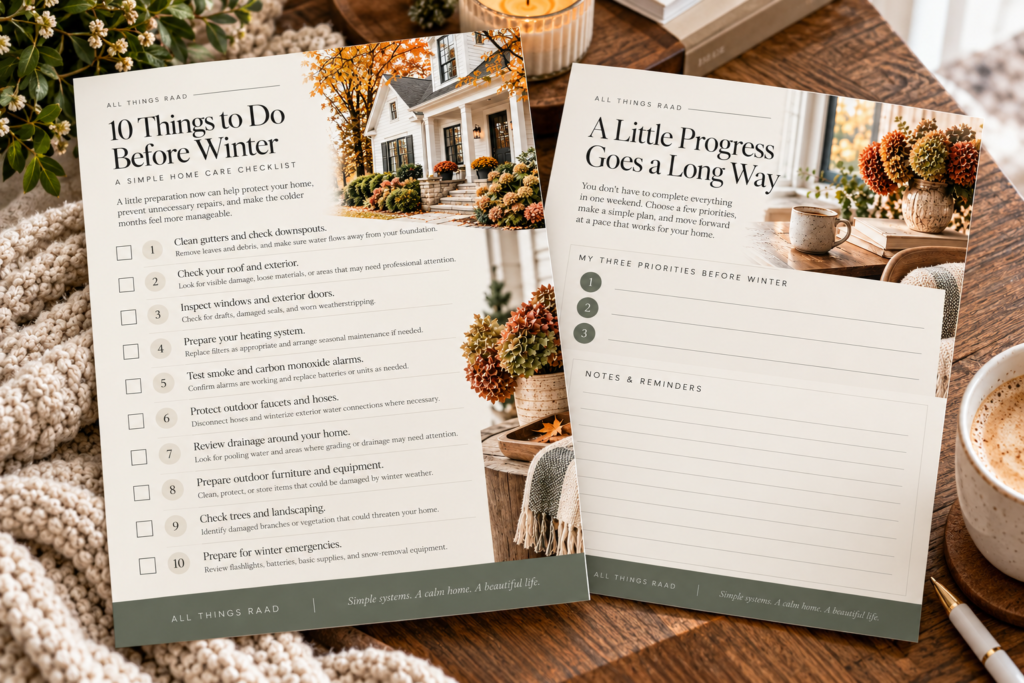
Knowing what needs to be done is one thing. Finding the time to actually do it is another.
That’s why I created 10 Things to Do Before Winter, a free two-page printable designed to help you turn winter preparation into a simple, manageable plan.
Inside, you’ll find 10 essential home maintenance tasks to help protect your home before colder weather arrives, along with a planning worksheet to identify your top three priorities and keep important reminders in one place.
Whether you tackle everything in a weekend or spread the tasks over several weeks, the goal is to make steady progress without feeling overwhelmed.
GET YOUR FREE BEFORE WINTER CHECKLIST
Free download | 2 printable pages | Delivered to your inbox
Continue Your Journey
Make Winter Home Preparation Feel More Manageable
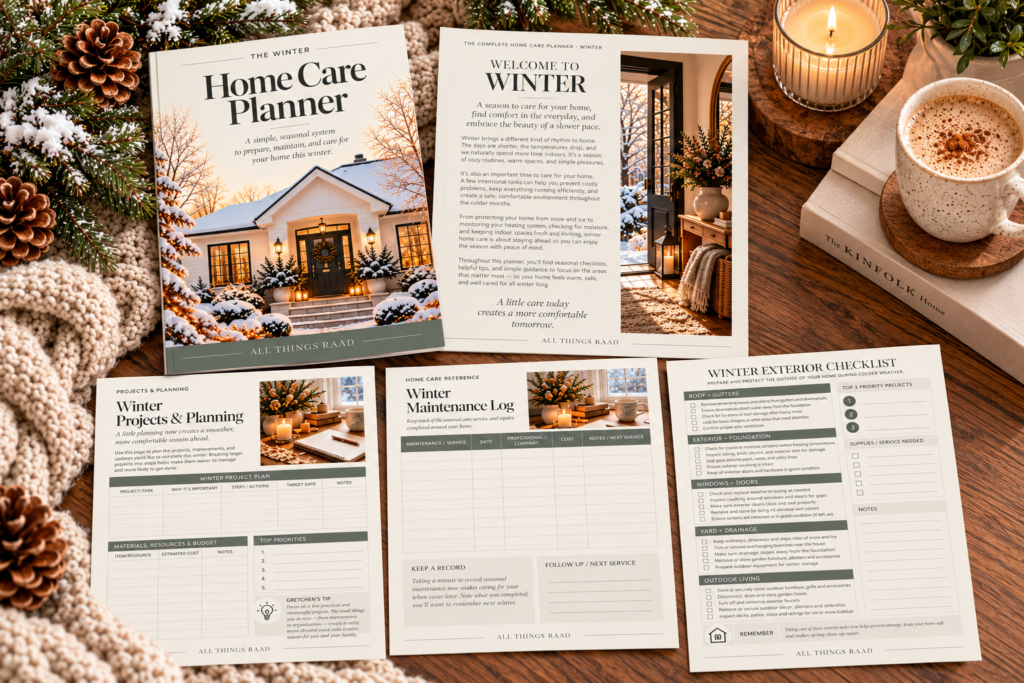
Winter Home Care Planner — $9
Preparing your home for winter doesn’t mean everything needs to be completed in one weekend.
Start with what matters most. Take care of the essentials, give your everyday spaces a little attention, and make room for the things you enjoy about the season.
If you’d like a simple way to organize the maintenance side of winter preparation, I created the All Things Raad Winter Home Care Planner.
It’s a 20-page digital planner with seasonal checklists and planning pages designed to help you stay organized and care for your home with greater confidence.
Gretchen’s Picks
Thoughtful Resources for a Well-Cared-For Home

Fall Home Care Planner — $9
A 20-page digital planning resource for homeowners who want an organized approach to winter maintenance, household tasks, and ongoing home care.
Ideal if you’re looking for focused support during the colder months.

The Home Care Planners featured in this article are digital products created by All Things Raad. Product purchases support the continued development of practical home and lifestyle resources. Any additional affiliate recommendations will be clearly disclosed where applicable..
Thank you for supporting All Things Raad.
🤍
14. Research & References
The winter maintenance, moisture-control, and household safety recommendations in this article are informed by guidance from recognized public agencies.
U.S. Department of Energy — Whole-House Weatherization
Guidance on air sealing, insulation, heating efficiency, and ventilation.
https://www.energy.gov/cmei/scep/wap/whole-house-weatherization
FEMA / Ready.gov — Prepare for a Winter Storm
Recommendations for winter weather preparation and household emergency planning.
https://www.ready.gov/sites/default/files/2020-08/fema_winterstorm_htp.pdf
U.S. Fire Administration — Carbon Monoxide Prevention
Guidance on carbon monoxide alarms, fuel-burning equipment, and portable generator safety.
https://www.usfa.fema.gov/prevention/life-safety-hazards/carbon-monoxide/
U.S. Environmental Protection Agency — Improving Indoor Air Quality
Guidance on indoor moisture management and ventilation.
https://www.epa.gov/indoor-air-quality-iaq/what-can-i-do-improve-indoor-air-quality-my-home
U.S. Fire Administration — Holiday Fire Safety
Recommendations for safe seasonal decorating, lighting, and candle use.
https://www.usfa.fema.gov/prevention/home-fires/prevent-fires/holiday/
Continue Exploring
More Inspiration for a Comfortable, Well-Prepared Home
Preparing your home for winter can be both practical and inspiring. These resources offer additional perspectives on seasonal organization, cleaning, and creating welcoming spaces.
Good Housekeeping — 10 Things to Declutter Before Halloween
A useful companion to our advice about editing seasonal decor, winter clothing, and household storage before holiday decorating begins.
https://www.goodhousekeeping.com/home/organizing/g74085815/things-to-declutter-before-halloween/
Good Housekeeping — 14 Things to Throw Out in October
Additional practical organization ideas for preparing your home before the busy holiday season.
https://www.goodhousekeeping.com/home/organizing/g74066594/things-to-toss-in-october/
Martha Stewart — Holiday Cleaning Checklist
A helpful approach to preparing guest rooms, bathrooms, closets, and gathering spaces for holiday visitors.
https://www.marthastewart.com/holiday-cleaning-checklist-8765315
Continue Reading on All Things Raad
More Ways to Create a Home You Love
The Simple Fall Home Prep Checklist for a Calmer Season
A helpful companion for taking care of seasonal household tasks before colder weather arrives.
15-Minute Decluttering Wins That Actually Work
Small, manageable organizing projects that make everyday spaces feel calmer and more functional.
Hidden Places That Make Your Home Feel Cluttered
A closer look at the often-overlooked spaces that can make a home feel disorganized, even when the main rooms appear tidy.
Frequently Asked Questions
When should I start preparing my home for winter?
Ideally, begin before the first sustained freezing temperatures in your area. Prioritize weather-sensitive tasks such as outdoor plumbing, heating-system maintenance, and exterior inspections. Decluttering, decorating, and guest preparation can follow as your schedule allows.
What are the most important things to do before the first freeze?
Focus on vulnerable outdoor plumbing, drainage, heating-system readiness, drafts, and household safety essentials. The specific tasks depend on your home’s construction, equipment, and local climate.
How can I prepare my home for winter without feeling overwhelmed?
Break preparation into smaller projects. Start with essential maintenance, then move to decluttering, everyday organization, and seasonal decorating. Choose one area at a time rather than trying to complete everything in a weekend.
Should I declutter before putting up holiday decorations?
Yes. Clearing unnecessary items and temporarily storing some everyday accessories can help holiday decorations feel more intentional. It also makes cleaning, entertaining, and transitioning out of the holiday season easier.
How can I make my home feel cozy for winter on a budget?
Focus on what you already own. Rearrange accessories, layer throws and pillows, use warm lighting, and create a comfortable seating area. Small changes in texture, lighting, and arrangement can make a noticeable difference without major purchases.
What rooms should I prioritize before holiday guests arrive?
Start with the entryway, guest bathroom, kitchen, and main gathering space. If you’re hosting overnight guests, prepare their sleeping area as well. Focus on cleanliness, comfort, accessibility, and practical essentials before decorative details.
How do I keep my home organized throughout the holidays?
Maintain simple routines rather than waiting for a major cleanup. Give seasonal items designated storage spaces, clear high-traffic surfaces regularly, and schedule a brief weekly reset to return misplaced items to their proper locations.
What’s the difference between the Winter Home Care Planner and the Complete Home Care Planner?
The Winter Home Care Planner focuses on the colder months and is available for $9. The Complete Home Care Planner includes all four seasonal editions—Spring, Summer, Fall, and Winter—for homeowners who want one comprehensive year-round system.
Join The All Things Raad Letter
A Little Inspiration for the Home and Life You’re Creating
Creating a beautiful, comfortable home doesn’t happen in one weekend or with one perfectly completed project.
It’s something we build through small decisions, thoughtful routines, and the everyday spaces we choose to care for.
If you enjoy practical home ideas, simple organization systems, seasonal inspiration, and thoughtful finds for everyday living, I’d love to welcome you to The All Things Raad Letter.
Twice a month, I share inspiration and useful ideas for creating spaces that support the life you want to live.



Your space shapes your life.
Clarity, balance, and intentional living.
inspired by places near and far.
Design through discovery.
What I bring home from Everywhere.
Simple ways to make life easier.
Smart Systems. Better Living.
Less Cluster, more function
Gather, cook, and live well.
everyday moments, done beautifully.
A home that supports how you feel.
Design that feels as good as it looks
Timeless style, real-life function.
Spaces designed for how you live.
What you’ll find around here


Shop the Raad Edit
GRETCHEN'S PICKS
Thoughtfully selected pieces I actually use, recommend, and trust — designed to simplify your home and elevate your everyday living.
The Raad Edit


The 30-Day Home Reset Starter Guide: A Downloadable Guide to Declutter your Space & Simplify your Life.