






The Complete Home Maintenance Checklist: The Seasonal Home Care Blueprint for a Well-Cared-For Home

A Well-Cared-For Home Doesn’t Happen by Accident
Owning a home is one of life’s greatest joys, but it also comes with a quiet responsibility. There are always little things that need attention—a furnace filter that should be replaced, gutters that need cleaning, or a smoke detector that’s been chirping for weeks. Individually, these tasks seem small. Together, they can quickly feel overwhelming.
The good news is that maintaining your home doesn’t require spending every weekend tackling endless projects. The homes that stay in the best condition over time aren’t cared for through massive renovation weekends—they’re cared for through simple, consistent habits that happen throughout the year.
That’s the idea behind The Seasonal Home Care Blueprint.
Rather than trying to remember dozens of maintenance tasks, this simple seasonal system breaks home care into manageable routines that fit naturally into the rhythm of the year. A few intentional tasks each season can help protect your investment, prevent costly repairs, improve your home’s efficiency, and give you confidence that your home is being cared for.
Whether you’ve owned your home for decades or you’ve just received the keys to your first house, this guide is designed to simplify home maintenance and remove the guesswork. Think of it as your year-round blueprint for caring for your home—one that helps you spend less time worrying about what you’ve forgotten and more time enjoying the place you’ve worked so hard to create.
Because a well-cared-for home isn’t built through perfection.
It’s built through simple, consistent care.
And when your home is cared for, it becomes easier to care for the life happening inside it.
In This Guide
Inside The Seasonal Home Care Blueprint, you’ll discover:
✓ A simple seasonal approach to home maintenance
✓ Practical tasks organized by spring, summer, fall, and winter
✓ Why each task matters and how it benefits your home
✓ Time estimates and difficulty levels to help you plan
✓ Practical tips to make routine maintenance easier
✓ A seasonal system you can return to year after year
Small Tasks Today Protect the Home You’ll Enjoy Tomorrow
Home maintenance has a way of feeling overwhelming—not because any one task is particularly difficult, but because there are so many of them. It’s easy to wonder if you’ve forgotten something important or to put off small projects until they become bigger, more expensive problems.
The reality is that most major home repairs don’t happen overnight. They often begin with small issues that go unnoticed: a clogged gutter that allows water to pool, a worn weather seal that lets moisture inside, or an HVAC filter that’s overdue for replacement. Taking a little time each season to care for your home can help prevent many of these problems before they start.
But the benefits of seasonal home care go far beyond avoiding repairs.
A well-maintained home feels different. It runs more efficiently, requires fewer emergency repairs, and creates a sense of confidence that comes from knowing your home is being cared for with intention. Instead of constantly reacting to unexpected problems, you’re following a simple plan that keeps everything moving in the right direction.
That’s exactly why I created The Seasonal Home Care Blueprint.
Rather than trying to remember dozens of maintenance tasks throughout the year, this blueprint organizes your home care into four seasonal routines. Each season has its own focus, making it easier to stay on top of routine maintenance without feeling like you have to do everything at once.
It’s not about creating the perfect home.
It’s about creating simple rhythms that protect your home, reduce stress, and leave you with more time to enjoy the life happening inside it.

The Seasonal Home Care Blueprint
Home maintenance doesn’t have to be complicated. In fact, the easiest way to stay on top of it is to stop thinking about everything you need to do throughout the year and simply focus on the season you’re in.
That’s the idea behind The Seasonal Home Care Blueprint.

🤍 Why This Works
Instead of keeping a long, overwhelming list of maintenance tasks in the back of your mind, this blueprint divides the year into four simple seasonal routines. Each season has its own priorities based on the changing weather and the needs of your home, making it easier to stay organized and build consistent habits over time.
Think of it less as another checklist and more as a rhythm for caring for your home. By completing a handful of intentional tasks each season, you’ll spend less time reacting to unexpected problems and more time enjoying a home that feels well cared for year-round.
The blueprint isn’t about perfection, and you don’t need to complete every task in a single weekend. Even making steady progress each season can help extend the life of your home’s major systems, improve efficiency, and give you confidence that you’re caring for one of your home’s greatest blessings..
As you move through each season, remember that every small task matters. Cleaning a gutter, replacing an air filter, or sealing a draft may seem insignificant today, but together, those simple actions create a home that functions better, lasts longer, and supports everyday life with less stress.
A home that is cared for will always take better care of the people who live inside it.
The Seasonal Home Care Blueprint is built around four simple seasonal focuses:
🌷 Spring — Refresh & Inspect
Recover from winter by inspecting your home’s exterior and tackling small repairs before they become bigger issues.
☀️ Summer — Maintain & Enjoy
Keep your home’s exterior, landscaping, and major systems running efficiently while making the most of the warmer months.
🍂 Fall — Prepare & Protect
Prepare your home for colder temperatures by completing preventive maintenance before winter arrives.
❄️ Winter — Monitor & Preserve
Protect your home during the coldest months while keeping an eye on the systems that work hardest this time of year.
No matter where you are in the year, the best time to begin is now. Start with the current season, complete a few meaningful tasks, and let each season build on the last. Over time, these simple routines become second nature—and your home will thank you for it.
🌷 Spring — Refresh & Inspect
Winter has a way of leaving its mark on a home. Snow, ice, freezing temperatures, heavy rain, and fluctuating weather can all contribute to wear and tear that isn’t always obvious at first glance. Spring is the perfect time to step outside, take a fresh look, and address small issues before they have the chance to become larger repairs.
Rather than trying to accomplish everything in one weekend, work through these tasks over several weeks. The goal isn’t perfection—it’s creating a solid foundation for the seasons ahead.
1. Replace Your HVAC Air Filter
Why it matters:
A clean air filter improves airflow, helps your heating and cooling system run more efficiently, and can extend the life of your HVAC system. It also improves your home’s indoor air quality by reducing dust, pollen, and other airborne particles.
How often: Every 1–3 months (follow your manufacturer’s recommendations).
Time needed: 5 minutes
Difficulty: Easy
Gretchen’s Tip: Write the replacement date on the filter or set a recurring reminder on your phone so you never have to wonder when it was last changed.
2. Clean Your Gutters and Downspouts
Why it matters:
Leaves, twigs, and debris can prevent water from draining properly. Overflowing gutters may contribute to roof damage, foundation issues, landscape erosion, and unwanted moisture around your home.
How often: Every spring and fall.
Time needed: 30–60 minutes
Difficulty: Moderate
Gretchen’s Tip: While you’re cleaning, make sure downspouts direct water several feet away from your home’s foundation.
3. Inspect Your Roof
Why it matters:
Winter storms can loosen shingles, damage flashing, or create small problems that become much more expensive if left untreated.
How often: Once each spring and after major storms.
Time needed: 15–30 minutes
Difficulty: Easy from the ground; professional inspection if needed.
Gretchen’s Tip: Use binoculars to inspect your roof from the ground. If something doesn’t look right, contact a qualified roofing professional rather than climbing onto the roof yourself.
4. Check Windows, Doors, and Screens
Why it matters:
Damaged screens, cracked caulk, and worn weather stripping can reduce energy efficiency and allow insects or moisture into your home.
How often: Every spring.
Time needed: 30–45 minutes
Difficulty: Easy
5. Schedule Your Air Conditioning Service
Why it matters:
Having your air conditioning system inspected before summer helps ensure it’s running efficiently and can reduce the chance of unexpected breakdowns during the hottest months.
How often: Once a year.
Time needed: Schedule appointment; service typically takes 1–2 hours.
Difficulty: Easy
6. Test Smoke and Carbon Monoxide Detectors
Why it matters:
These devices are among the most important safety features in your home. Regular testing helps ensure they’re working properly when you need them most.
How often: Test monthly; replace batteries as needed or according to the manufacturer’s recommendations.
Time needed: 10 minutes
Difficulty: Easy
7. Walk Around Your Home’s Exterior
Why it matters:
A simple walk around your home can help you spot loose siding, cracked masonry, damaged trim, peeling paint, or drainage concerns before they become larger repairs.
How often: Every spring.
Time needed: 20–30 minutes
Difficulty: Easy
If You Only Do Three Things This Spring
If your schedule is full, don’t let that stop you from getting started. Focus on these three high-impact tasks first:
- Replace your HVAC air filter.
- Clean your gutters and downspouts.
- Schedule your air conditioning service.
These simple steps go a long way toward preparing your home for the warmer months and creating momentum for the rest of the year.
☀️ Summer — Maintain & Enjoy
Summer is often when we spend the most time enjoying our homes—hosting family gatherings, relaxing on the patio, tending to the garden, or simply soaking up longer days. It’s also one of the best times to care for your home’s exterior and tackle maintenance projects that are easier to complete in warm, dry weather.
The focus of summer isn’t on major repairs. Instead, it’s about preserving what you’ve already prepared in the spring while keeping your home looking beautiful and functioning efficiently.
1. Wash Your Home’s Exterior
Why it matters:
Over time, dirt, pollen, mildew, and environmental buildup can collect on siding, brick, and trim. A gentle cleaning helps preserve your home’s exterior and keeps it looking fresh.
How often: Once each summer.
Time needed: 2–4 hours
Difficulty: Moderate
Gretchen’s Tip: Use the cleaning method recommended for your home’s exterior. A soft wash is often safer than high-pressure washing for many siding materials.
2. Inspect and Clean Your Deck or Patio
Why it matters:
Outdoor living spaces experience constant exposure to sun, rain, and changing temperatures. Cleaning and inspecting these areas helps extend their life and creates a safer place for family and guests.
How often: Once each summer.
Time needed: 1–3 hours
Difficulty: Easy to Moderate
Gretchen’s Tip: Look for loose boards, cracked pavers, popped nails, or areas that may need resealing before they become larger repairs.
3. Clean Outdoor Furniture
Why it matters:
Routine cleaning helps outdoor furniture last longer by removing dirt, pollen, mildew, and debris that can wear down fabrics and finishes.
How often: At the beginning of summer and as needed throughout the season.
Time needed: 30–60 minutes
Difficulty: Easy
4. Trim Trees, Shrubs, and Landscaping
Why it matters:
Overgrown branches can rub against your home’s exterior, block airflow, damage your roof, or create easy access for pests. Keeping landscaping maintained also improves curb appeal and promotes healthy plant growth.
How often: Throughout the growing season.
Time needed: 1–2 hours
Difficulty: Moderate
5. Inspect Your Irrigation System and Outdoor Faucets
Why it matters:
Small leaks or broken sprinkler heads waste water and may lead to higher utility bills. Checking your irrigation system early in the season helps keep your lawn and landscaping healthy.
How often: At the beginning of summer.
Time needed: 30–45 minutes
Difficulty: Easy
6. Clean the Dryer Vent
Why it matters:
Lint buildup restricts airflow, reduces your dryer’s efficiency, and increases the risk of fire. Keeping the vent clean helps your dryer perform better and improves household safety.
How often: At least once a year.
Time needed: 30–60 minutes
Difficulty: Easy to Moderate
Gretchen’s Tip: If clothes are taking longer than usual to dry, it’s often a sign that the vent needs attention.
7. Check Windows and Doors for Drafts or Wear
Why it matters:
Even during summer, damaged weather stripping or worn seals can allow cool air to escape, making your air conditioning system work harder and increasing energy costs.
How often: Once each summer.
Time needed: 30 minutes
Difficulty: Easy
8. Enjoy Your Home
Why it matters:
Home maintenance isn’t only about checking items off a list. It’s also about creating a home that’s meant to be lived in. Once the essential tasks are complete, take time to enjoy your patio, invite friends over, or spend a quiet evening outside. Those moments are the reason you care for your home in the first place.
How often: As often as possible.
Time needed: However long you’d like.
Difficulty: None
Gretchen’s Tip: Don’t let the pursuit of a perfectly maintained home keep you from enjoying it. A home is meant to be lived in, not just cared for.
If You Only Do Three Things This Summer
If your summer calendar is packed, start with these three priorities:
- Clean and inspect your deck or patio.
- Clean your dryer vent.
- Trim landscaping away from your home.
These simple tasks help protect your home, improve safety, and keep your outdoor spaces ready for the season.
🍂 Fall — Prepare & Protect
As summer begins to fade and cooler days arrive, your home’s priorities begin to shift. Fall is the season of preparation—a time to complete a few important maintenance tasks before freezing temperatures, snow, and winter storms settle in.
Many of these projects are simple, but completing them now can help improve your home’s comfort, efficiency, and reliability throughout the colder months. A little preparation today allows you to enjoy winter with greater confidence and fewer unexpected surprises.
1. Clean Your Gutters and Downspouts Again
Why it matters:
Falling leaves and debris can quickly clog gutters, preventing rainwater and melting snow from draining properly. Clean gutters help protect your roof, foundation, siding, and landscaping from water damage.
How often: Every fall, and more often if you have many mature trees.
Time needed: 30–60 minutes
Difficulty: Moderate
Gretchen’s Tip: After cleaning, run water through the gutters with a garden hose to make sure downspouts are draining properly.
2. Schedule Your Furnace or Heating System Service
Why it matters:
Having your heating system inspected before winter helps ensure it’s operating safely and efficiently when you need it most. Routine maintenance can also help extend the life of your system.
How often: Once a year before the heating season.
Time needed: Schedule appointment; service typically takes 1–2 hours.
Difficulty: Easy
3. Replace Your HVAC Air Filter
Why it matters:
A clean filter allows your heating system to work more efficiently while improving indoor air quality during the months when windows stay closed.
How often: Every 1–3 months.
Time needed: 5 minutes
Difficulty: Easy
4. Winterize Outdoor Faucets and Garden Hoses
Why it matters:
Water left inside hoses or exterior faucets can freeze, expand, and damage plumbing. Proper winterization helps prevent costly repairs when temperatures drop below freezing.
How often: Before the first hard freeze.
Time needed: 20–30 minutes
Difficulty: Easy
Gretchen’s Tip: Disconnect and store all garden hoses before freezing temperatures arrive.
5. Seal Drafts Around Windows and Doors
Why it matters:
Small gaps around doors and windows allow warm air to escape and cold air to enter, making your heating system work harder and increasing energy costs.
How often: Every fall.
Time needed: 30–60 minutes
Difficulty: Easy
6. Inspect Your Fireplace and Chimney
Why it matters:
If you burn wood, regular chimney inspections and cleanings help reduce the risk of chimney fires and ensure your fireplace operates safely.
How often: Annually if regularly used.
Time needed: Professional inspection typically takes about an hour.
Difficulty: Professional service recommended.
7. Store or Protect Outdoor Furniture
Why it matters:
Protecting outdoor furniture from snow, ice, and freezing temperatures helps extend its lifespan and keeps it looking its best for next season.
How often: Before winter.
Time needed: 30–60 minutes
Difficulty: Easy
8. Check Smoke and Carbon Monoxide Detectors Again
Why it matters:
As heating systems, fireplaces, and holiday decorations are used more frequently, it’s an ideal time to confirm that your home’s safety devices are working properly.
How often: Test monthly; replace batteries as recommended.
Time needed: 10 minutes
Difficulty: Easy
❄️ Winter — Monitor & Preserve
Winter naturally invites us to slow down. While your home works harder than ever to keep you warm and comfortable, there are fewer outdoor maintenance projects demanding your attention. Instead, this season is about monitoring the systems that matter most and addressing small concerns before they become larger ones.
Think of winter as a season of observation. A quick walk through your home, a few simple checks, and a little preventative care can help preserve everything you’ve worked to maintain throughout the year.
1. Monitor for Ice Dams and Heavy Snow
Why it matters:
After heavy snowfall, watch for excessive snow accumulation or ice dams along your roofline. These can prevent melting snow from draining properly and may allow water to back up beneath shingles.
How often: After significant snow or ice storms.
Time needed: 10–15 minutes
Difficulty: Easy observation; leave removal to professionals if necessary.
Gretchen’s Tip: If you notice large ice dams or concerns about your roof, contact a qualified professional rather than attempting to remove them yourself.
2. Watch for Plumbing Leaks and Frozen Pipes
Why it matters:
Freezing temperatures can put extra stress on your plumbing system. Catching small leaks or signs of freezing early can help prevent costly water damage.
How often: Periodically throughout the winter.
Time needed: 15–20 minutes
Difficulty: Easy
Gretchen’s Tip: During extremely cold weather, allow a small trickle of water to flow from vulnerable faucets if recommended for your home’s plumbing system and local conditions.
3. Monitor Indoor Humidity
Why it matters:
Winter air is naturally dry, and heating systems can reduce indoor humidity even further. Maintaining balanced humidity helps protect wood floors and furniture while making your home feel more comfortable.
How often: Throughout the winter.
Time needed: Ongoing
Difficulty: Easy
4. Replace Your HVAC Air Filter
Why it matters:
Your heating system often works its hardest during winter. A clean filter improves efficiency, supports better airflow, and helps maintain healthier indoor air quality.
How often: Every 1–3 months.
Time needed: 5 minutes
Difficulty: Easy
5. Test GFCI Outlets and Reset Buttons
Why it matters:
Ground Fault Circuit Interrupter (GFCI) outlets help protect against electrical shock in kitchens, bathrooms, garages, and outdoor spaces. Testing them periodically helps ensure they’re functioning properly.
How often: Once a year.
Time needed: 10–15 minutes
Difficulty: Easy
6. Check Emergency Supplies
Why it matters:
Winter storms and power outages can happen unexpectedly. Keeping flashlights, batteries, bottled water, blankets, and other basic emergency supplies organized helps you feel prepared.
How often: At the beginning of winter and after using supplies.
Time needed: 20–30 minutes
Difficulty: Easy
7. Walk Through Your Home
Why it matters:
Take a few minutes to simply notice your home. Listen for unusual noises, look for water stains, feel for drafts, and pay attention to anything that seems different. Often, small observations lead to early solutions.
How often: Once each month.
Time needed: 15 minutes
Difficulty: Easy
Gretchen’s Tip: Trust your instincts. If something feels different, it’s worth taking a closer look before it becomes a larger issue.
If You Only Do Three Things This Winter
If you’re keeping it simple, focus on these essentials:
- Replace your HVAC air filter.
- Monitor for plumbing leaks or frozen pipes.
- Check your emergency supplies.
These small habits can help your home stay comfortable, efficient, and ready for whatever winter brings.
The Seasonal Home Care Blueprint at a Glance
You’ve now completed The Seasonal Home Care Blueprint—a simple, repeatable system for caring for your home throughout the year.
Rather than trying to remember dozens of maintenance tasks, simply focus on the season you’re in.
🌷 Spring — Refresh & Inspect
Recover from winter, inspect your home, and address small repairs before they grow.
☀️ Summer — Maintain & Enjoy
Preserve your home’s exterior, maintain important systems, and enjoy the spaces you’ve worked hard to create.
🍂 Fall — Prepare & Protect
Prepare your home for colder weather with preventative maintenance that helps avoid winter problems.
❄️ Winter — Monitor & Preserve
Keep an eye on your home’s most important systems while enjoying the comfort of a home that’s ready for the season.
No matter where you are in the year, the best time to begin is today.
Start with one task.
Then another.
Small, consistent actions have a remarkable way of adding up over time.

✨ Gretchen’s Tip
One of the simplest ways to stay consistent with home maintenance is to stop thinking about it as a never-ending to-do list.
Instead, create a Seasonal Home Care Day.
At the beginning of each season, set aside a morning or afternoon to walk through your home with The Seasonal Home Care Blueprint. Review the tasks for the season, make note of anything that needs attention, and schedule any professional services before your calendar fills up.
You don’t have to complete every project that day. The goal is simply to pause, notice what your home needs, and create a plan.
A few intentional hours each season are far easier—and far less stressful—than trying to catch up after small issues have become larger ones.


✔️ Try this Today
One of the easiest ways to feel overwhelmed by home maintenance is to believe you have to do everything at once.
You don’t.
Instead, start with the season you’re in today.
Walk through your home with this guide in hand and choose just three tasks to complete this week. Whether it’s replacing your HVAC filter, cleaning your gutters, or checking your smoke detectors, every small step moves you closer to a home that feels cared for and well maintained.
Progress is built one task at a time.
Before long, these seasonal check-ins will become part of your routine, and you’ll spend less time wondering what needs attention and more time enjoying your home.
The Seasonal Home Care Blueprint

Download Your Free Seasonal Home Care Blueprint
Want an easy way to keep track of your seasonal maintenance?
Download the Seasonal Home Care Blueprint, a beautifully designed printable checklist that walks you through each season with simple, practical tasks you can check off throughout the year.
Keep it in your planner, tuck it into a household binder, or hang it somewhere you’ll see it. It’s a simple way to stay organized and give yourself peace of mind, one season at a time.


☕ From Gretchen :
One of the biggest lessons I’ve learned is that caring for a home doesn’t happen through one big weekend of productivity. It happens through small, consistent habits that become part of everyday life.
That’s exactly why I created The Seasonal Home Care Blueprint.
I don’t want home maintenance to feel like another overwhelming to-do list. I want it to feel like a simple rhythm—one that helps you care for your home with confidence while leaving plenty of time to enjoy the people and moments that make it special.
Because at the end of the day, a beautiful home isn’t defined by perfection.
It’s defined by how well it supports the life being lived inside it.
Gretchen ❤️
Continue Your Journey
If creating a calmer, more intentional home is your goal, The Complete Home Reset Planner is the perfect next step.
Designed to help you move through your home one manageable step at a time, the planner includes practical routines, decluttering strategies, home reset worksheets, cleaning schedules, goal-setting pages, and organizational tools that make caring for your home feel simpler—not more overwhelming.
Together with The Seasonal Home Care Blueprint, it provides a year-round system for creating a home that’s easier to maintain, more enjoyable to live in, and thoughtfully designed to support everyday life.
Explore The Complete Home Reset Planner

I only recommend products I personally use, genuinely love, or would happily recommend to family and friends. Some links may be affiliate links, which means I may earn a small commission at no additional cost to you.
Thank you for supporting All Things Raad.
🤍
Gretchen’s Picks 🤍
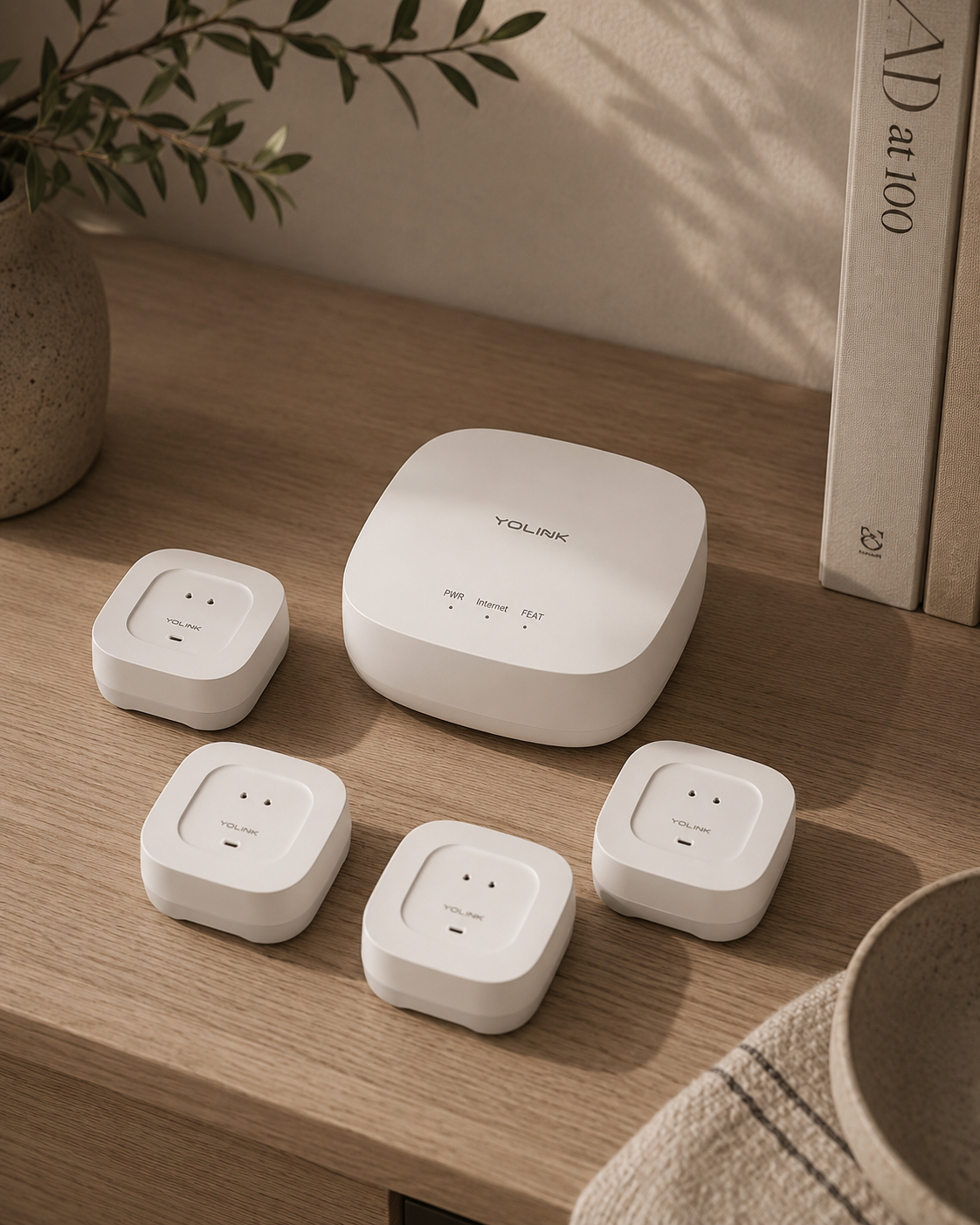
Leak Starter Kit
Stay safe with these water leak detectors. They have a strong siren and last a long time on battery.
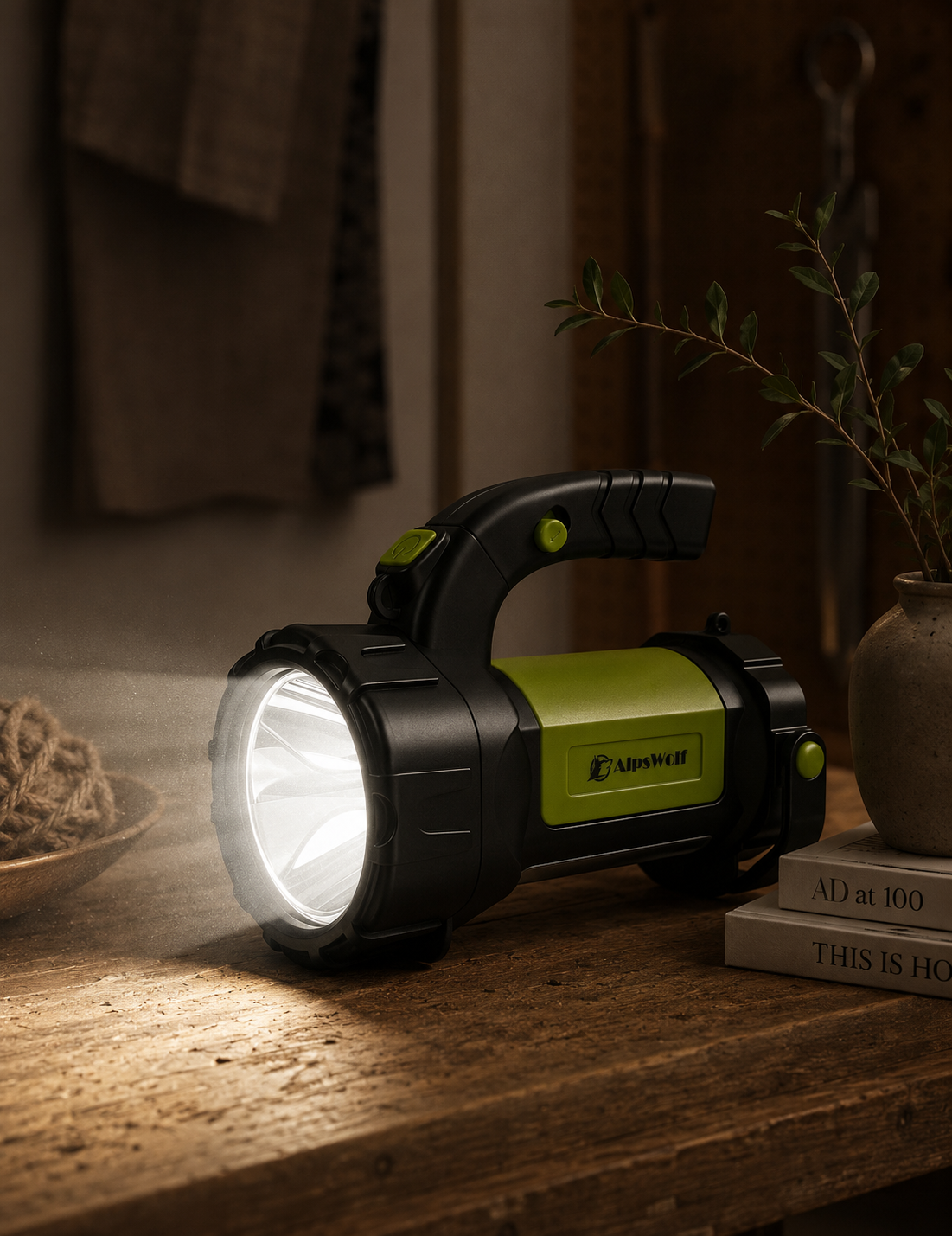
Rechargeable LED Flashlight
Rechargeable flashlight for emergencies. This 4 in 1 versatile lantern is great for all occasions.
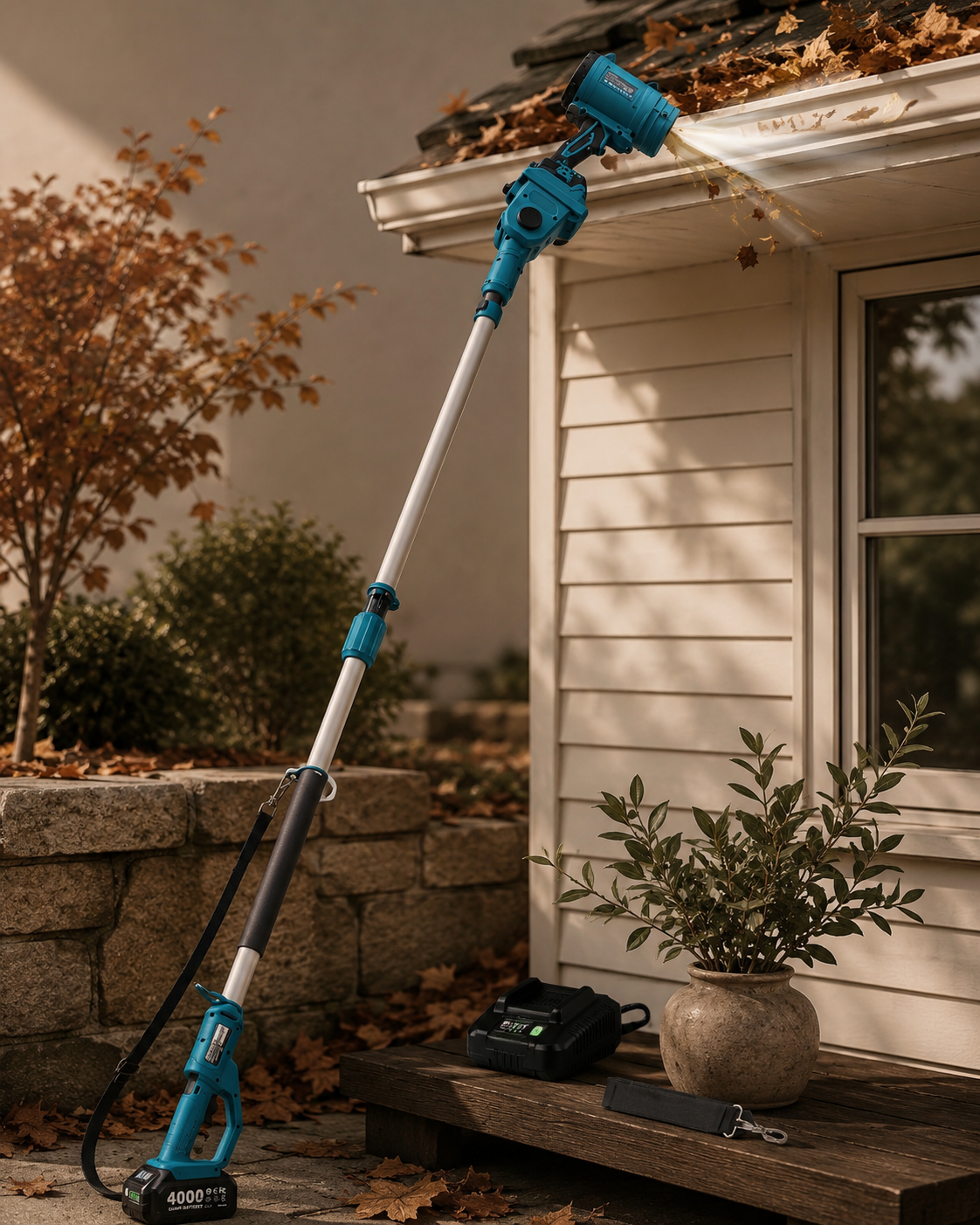
Gutter Cleaning Tools
This leaf blower is perfect for cleaning gutters without the hassle. It’s safe and effective for your lawn and patio.

The Complete Home Reset Planner
Your year-round companion for organizing, maintaining, and creating a calmer home.
Explore Further
Looking to learn even more about caring for your home? These trusted resources provide additional guidance on home maintenance, safety, and energy efficiency.
- ENERGY STAR – Learn how routine maintenance can improve your home’s energy efficiency and reduce utility costs.
- U.S. Department of Energy – Explore seasonal energy-saving tips and recommendations for maintaining your home’s major systems.
- National Fire Protection Association (NFPA) – Find trusted guidance on smoke alarms, carbon monoxide detectors, fireplaces, and home fire safety.
- Ready.gov – Prepare your household for severe weather, winter storms, power outages, and other emergencies with practical planning resources.
Continue Reading All Things Raad
If you’re looking for more simple ways to create a calm, well-cared-for home, these articles are a great place to continue:
- How to Reset Your Home When You Feel Overwhelmed
- How to Keep Your Home Clean Without Feeling Overwhelmed
- 15-Minute Decluttering Wins That Make a Big Difference
Together, these resources build on the same philosophy: small, intentional habits that make everyday life feel simpler
Frequently Asked Questions
How often should I perform home maintenance?
Small tasks throughout the year are much easier than tackling everything at once. Following a seasonal routine helps ensure important maintenance isn’t overlooked.
What’s the most important home maintenance task?
There isn’t a single most important task, but regularly replacing HVAC filters, cleaning gutters, servicing your heating and cooling systems, and testing smoke and carbon monoxide detectors have some of the biggest long-term benefits.
I’m a first-time homeowner. Where should I start?
Start with the current season. Focus on completing just a few essential tasks rather than trying to catch up on everything at once. Building simple habits is more effective than chasing perfection.
Can I complete most home maintenance myself?
Many routine maintenance tasks are simple enough for homeowners to handle. However, jobs involving roofing, electrical work, gas appliances, or other specialized systems should be left to qualified professionals.
Is a seasonal checklist really enough?
For most homeowners, yes. A seasonal approach helps spread maintenance throughout the year, making it easier to stay organized while reducing the likelihood of overlooking important tasks.
Join the All Things Raad Letter
Creating a calm home isn’t about doing more—it’s about doing what matters most.
Join The All Things Raad Letter and twice each month you’ll receive thoughtful ideas for caring for your home, simplifying everyday routines, seasonal inspiration, and practical tips for creating a life that’s both beautiful and intentional.
Simple systems. A calm home. A beautiful life.

Your space shapes your life.
Clarity, balance, and intentional living.
inspired by places near and far.
Design through discovery.
What I bring home from Everywhere.
Simple ways to make life easier.
Smart Systems. Better Living.
Less Cluster, more function
Gather, cook, and live well.
everyday moments, done beautifully.
A home that supports how you feel.
Design that feels as good as it looks
Timeless style, real-life function.
Spaces designed for how you live.
What you’ll find around here


Shop the Raad Edit
GRETCHEN'S PICKS
Thoughtfully selected pieces I actually use, recommend, and trust — designed to simplify your home and elevate your everyday living.
The Raad Edit


The 30-Day Home Reset Starter Guide: A Downloadable Guide to Declutter your Space & Simplify your Life.